Choosing an electronic circuit board manufacturer is not just a purchasing decision. It can shape product reliability, launch timing, and the number of costly redesigns. Fortune Business Insights estimated the global printed circuit board market at US$73.57 billion in 2024, reflecting the scale and complexity of this supply chain. Market estimates vary by research method, so treat that figure as context—not a guarantee of supplier quality.
A capable manufacturer can connect design review, material selection, fabrication, and testing. That matters when a board has tight trace spacing, controlled impedance, or components that must fit a compact enclosure. IPC president and CEO John Mitchell has emphasized the importance of resilient electronics supply chains in his public commentary. His broader point is relevant: supplier capability is part of product readiness. IPC standards, including IPC-6012 for rigid printed boards, also give buyers a shared reference for performance requirements.
Details matter. Ask how a supplier handles engineering questions, inspection records, and changes to a production run. Request evidence, not just confident promises. A clean sample board is useful, but it cannot reveal every weakness in process control. And the lowest quote is not always the lowest total cost. Still, a large manufacturer is not automatically the right choice; communication and production fit matter too. This guide explores what to evaluate before choosing a partner, from technical capability to delivery support. The honest caveat? No checklist can replace a careful review of your own design and risks.
An electronic circuit board manufacturer turns design data into a physical printed circuit board. The work begins with reviewing the layer stack-up, copper thickness, hole sizes, and surface finish. Engineers compare these details with the board’s intended use and flag unclear tolerances before production starts.
A drawing can look complete and still leave room for interpretation. Small details matter.
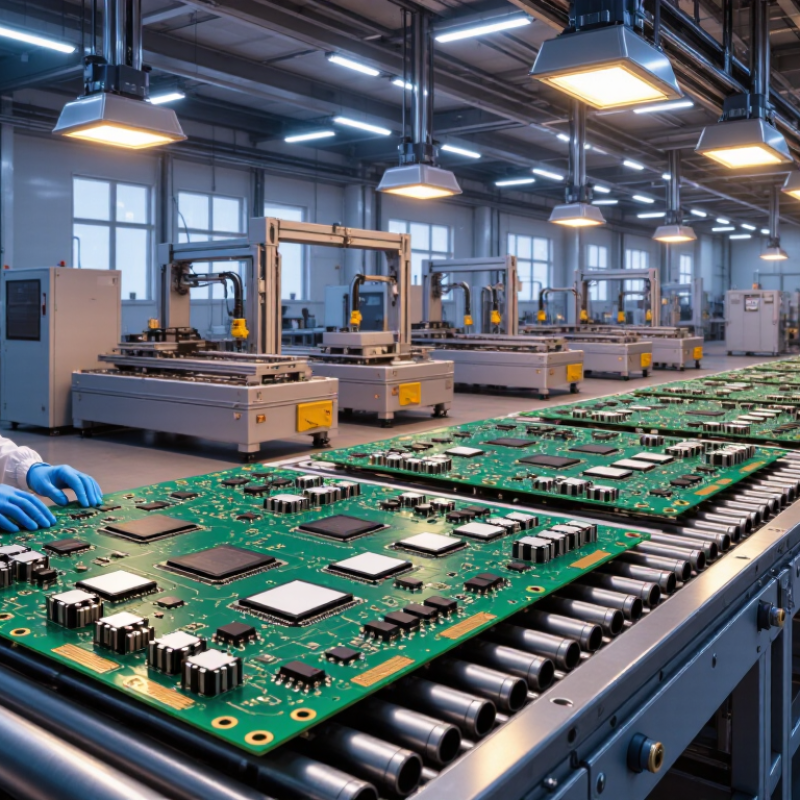
Once files are approved, production may involve imaging copper patterns, etching, drilling, plating, and applying solder mask. The exact sequence depends on the board’s construction. After fabrication, technicians inspect dimensions and check for electrical opens or shorts.
Testing can reveal a problem that a visual check misses. Not every manufacturer offers assembly; some deliver bare boards only. Others may help select materials, panelization, and test methods for a production run.
Clear feedback matters. If a first run shows warped panels or inconsistent holes, the cause deserves review, not a quick excuse. Build records and inspection results help buyers track revisions and discuss needed changes.

Why Choose an Electronic Circuit Board Manufacturer?
How Engineering Expertise Shapes Board Design
An electronic circuit board must fit its product, its enclosure, and its production process. Engineering expertise connects those requirements before they become costly revisions. Designers review component placement, signal paths, and heat flow together. A processor beside a power component, for example, may need extra thermal management. Small details matter.
Board layout also depends on material choice and manufacturing limits. An experienced engineering team can assess layer count, copper weight, trace width, and spacing against the board’s electrical needs. For high-speed signals, controlled impedance may guide the stackup and routing plan. These choices affect performance, board size, and yield. They are not interchangeable.
Good design includes practical checks, not just a polished schematic. Engineers can review files for manufacturability, add test points, and consider how technicians will assemble the board. Early prototypes may reveal connector conflicts or unexpected heating. Sometimes the first layout is wrong. That is useful feedback, though it can be frustrating. Clear revision records and measured test results help teams refine the design without relying on guesswork. A manufacturer with engineering support can discuss these trade-offs while the board is still on screen.
Copper weight affects a board’s current-carrying capacity and manufacturability. Engineers balance it with trace width, allowable temperature rise, spacing, and the layer stackup. Values shown are approximate; 1 oz/ft² of copper is about 34.8 µm thick.
A circuit board manufacturer’s capabilities shape more than unit cost. They determine whether a design can move from CAD files to repeatable boards without avoidable delays. Ask how engineers review stackups, annular rings, drill sizes, and panel layouts before tooling. Small details matter. A misplaced via or narrow clearance can trigger a redesign after the first build.
For high-speed designs, confirm that the manufacturer can control impedance and document material choices and tolerances. For dense layouts, ask about minimum trace spacing, via options, copper balance, and inspection methods such as automated optical inspection and electrical testing. These are not just brochure figures. Request a sample inspection report or discuss a comparable project, while protecting confidential files through agreed procedures. This offers a clearer view of process discipline.
Capacity also affects production. A shop suited to prototypes may lack the same scheduling flexibility, tooling flow, or process consistency at higher volumes. Check typical lead times, how engineering changes are handled, and whether material substitutions require approval. I would not treat the shortest quoted lead time as proof of readiness; unanswered technical questions can become the real bottleneck. A capable manufacturer explains limitations early, though no process is flawless.
Why Choose an Electronic Circuit Board Manufacturer?
How Quality Controls Ensure Board Reliability
Reliable circuit boards begin with controlled materials and repeatable processes. A manufacturer checks incoming laminates, copper thickness, and solder mask condition before production. These checks help catch problems before they become expensive assembly failures. Small details matter.
During fabrication, operators monitor drilling, plating, etching, and layer alignment. Automated optical inspection can reveal narrow traces, unwanted copper, or registration errors. Electrical testing then checks for opens and shorts. For boards with controlled impedance, measurements can confirm that critical traces meet the specified range.
No inspection catches everything. That matters. A missed silkscreen mark may not affect function, but repeated registration drift can point to a process issue. Good quality control combines machine results with trained human review. Records link test outcomes to production lots, making it easier to investigate a failure and adjust the process. For a new design, a first-article review can expose unclear drawings or tolerances before a larger run begins. Manufacturers should also explain what their inspection covers, rather than imply that every board receives every test. Ask how defects are documented, who approves corrective action, and how changes are verified on later boards.
| Quality Control Stage | Typical Checks | Evidence to Request | How It Supports Reliability |
|---|---|---|---|
| Design and manufacturability review | Review of design files, layer stack-up, trace and spacing rules, drill sizes, and manufacturing notes against the agreed requirements. | Documented design-for-manufacturing feedback and approved production data. | Identifies potential fabrication issues before production begins and helps align the build with the intended design. |
| Incoming material verification | Verification of material type, thickness, copper weight, and supplier documentation against the purchase and design requirements. | Material records, lot identification, and certificates or inspection results where applicable. | Helps prevent unsuitable or incorrectly specified materials from entering production. |
| In-process fabrication controls | Process checks may cover imaging, layer registration, drilling, plating, etching, solder-mask application, and board dimensions. | Inspection records, process parameters, and measurements tied to the production lot. | Can detect process variation that could lead to opens, shorts, poor registration, or dimensional issues. |
| Automated optical inspection (AOI) | Optical comparison of accessible copper patterns or assembled components with reference data to identify visible defects. | AOI inspection results and documented disposition of flagged defects. | Helps find visible pattern or placement problems; it does not replace electrical testing or inspection of hidden features. |
| Electrical testing | Bare-board continuity and isolation testing checks conductive connections and separation against the test data and agreed limits. | Test method, acceptance criteria, and lot-level pass or failure records. | Helps detect unintended opens and shorts before boards are shipped or assembled. |
| X-ray inspection, when applicable | Examination of features that are difficult to assess visually, such as internal layer registration or hidden solder joints in certain assemblies. | Inspection scope, sample or coverage plan, and findings for the relevant product features. | Adds visibility into hidden structures; the appropriate use depends on board design and whether assembly is included. |
| Final inspection and acceptance | Checks may include appearance, dimensions, markings, finish, and agreed acceptance criteria. IPC-A-600 may be used as a bare-board acceptability reference when specified. | Inspection report identifying the applicable specification, revision, and acceptance criteria. | Confirms that inspected boards meet the requirements agreed for the order; acceptance criteria should be defined in advance. |
| Traceability and corrective action | Linking production lots to materials and inspection records, with a documented process for investigating and addressing nonconformities. | Lot or batch identifiers, retained quality records, and corrective-action documentation when relevant. | Makes issues easier to investigate and supports consistent follow-up across production lots. |
Inspection methods and acceptance limits vary by product, design, and customer requirements. Confirm the applicable criteria and test coverage with the manufacturer before production.
A capable circuit board manufacturer can contribute well beyond fabrication. During design reviews, engineers may flag tight component spacing, unsupported drill sizes, or traces that do not match the intended current load. Early feedback helps teams revise layouts before tooling begins.
Small details matter.
Prototype support makes those decisions easier to verify. A supplier can clarify stack-up options, impedance targets, and material choices, then provide test results for review. When a board fails inspection, clear photos and specific measurements are more useful than a vague note saying it needs work. Still, prototype results do not guarantee smooth production. Real builds can reveal issues that were missed.
As volumes grow, communication around process changes, lead times, and component availability helps product teams plan revisions. A manufacturer that tracks specifications and revision history can reduce confusion between engineering and production. Later, support may include investigating yield changes or identifying a compatible replacement material. These conversations work best when both sides share current files and document decisions. Not every supplier responds equally quickly, and that difference can become visible when a schedule is tight. Teams should ask how technical questions, nonconformance reports, and engineering changes are handled before committing to a production plan.