Top 10 Electronic Circuit Board Manufacturers Worldwide
The global electronics supply chain is becoming more complex, yet one component remains central: the electronic circuit board. It connects processors, sensors, power systems, and communication modules. Its quality can influence an entire product’s reliability.
Market data confirms the sector’s scale. Fortune Business Insights valued the global printed circuit board market at about USD 81.74 billion in 2023. Its report projects growth to approximately USD 120.22 billion by 2032. IPC’s 2024 Global Sentiment of the Electronics Industry report also highlights uneven demand, cost pressure, and continuing supply-chain uncertainty. These findings show why manufacturer selection requires more than comparing factory size or annual revenue.
This guide presents the Top 10 Electronic Circuit Board Manufacturers Worldwide. The review considers production capacity, certification, technology range, global delivery experience, and support for demanding industries. Automotive, aerospace, medical, industrial, and telecommunications applications receive particular attention. Traceability matters. So does process control.
A large plant is not automatically a dependable partner. Some manufacturers excel at high-volume production, while others specialize in prototypes, rigid-flex boards, or advanced HDI designs. No ranking can capture every engineering reality. That limitation matters.
The companies discussed here were selected from publicly available corporate information, industry reports, certifications, and demonstrated market presence. Readers should still verify current capabilities, lead times, compliance documents, and regional support before making a purchasing decision. Data changes quickly. Manufacturing performance can change faster.
Understanding Electronic Circuit Board Manufacturing
Understanding Electronic Circuit Board Manufacturing
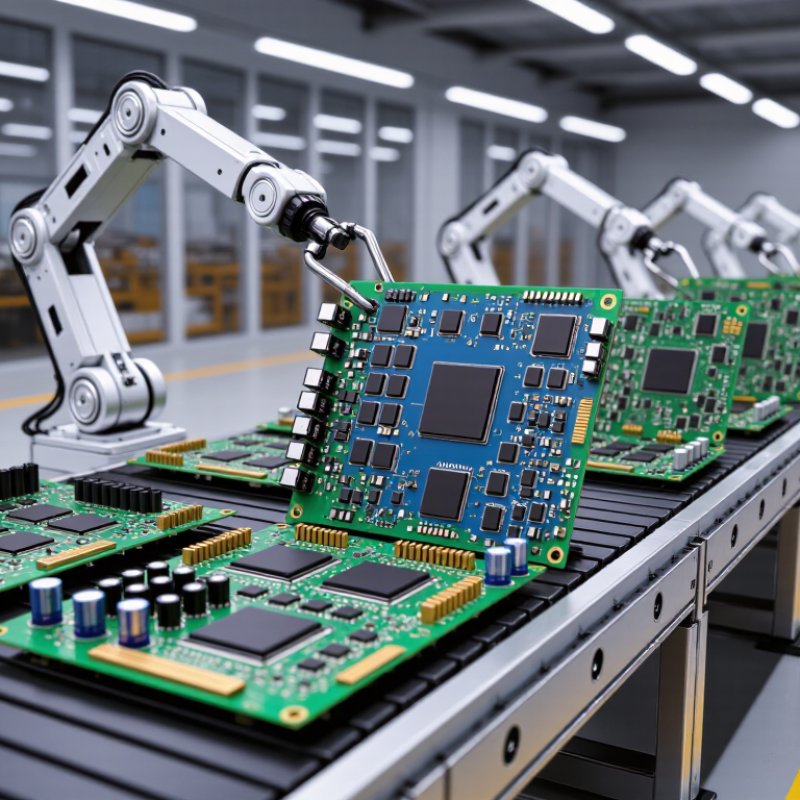
Electronic circuit board manufacturing begins with controlled design data, suitable materials, and disciplined process management. Engineers select laminates according to heat, frequency, strength, and operating environment. Copper thickness also matters. It affects current capacity and long-term reliability. In surface-mount production, automated placement machines position tiny components with remarkable accuracy. Solder paste inspection checks volume and alignment before reflow. Small errors can become expensive failures.
Reliable manufacturers usually combine automated optical inspection, electrical testing, and targeted X-ray analysis. These methods reveal solder bridges, hidden voids, weak joints, and missing components. Traceability connects each board with material batches, machine settings, and inspection records. That evidence supports responsible quality decisions. A clean production line is useful, but it never proves everything. Factory appearance can mislead.
Manufacturing capability also depends on engineering communication. Clear drawings, controlled revisions, and realistic tolerance requirements reduce avoidable delays. Prototype production should test assembly, not merely confirm appearance. Thermal cycling, vibration testing, and moisture exposure may expose weaknesses that visual inspection misses. No factory is flawless. Even experienced teams can overlook an unusual failure pattern. The better question is how quickly they identify, document, and correct it. Cost comparisons should include yield, rework, delivery stability, and technical support. A low quotation may hide testing gaps or difficult production changes. Careful buyers examine process evidence, not promises.
Top 10 Electronic Circuit Board Manufacturers Worldwide — Understanding Electronic Circuit Board Manufacturing
This chart shows standard nominal copper thicknesses used in printed circuit board manufacturing. Copper weight is measured in ounces per square foot, and 1 oz is approximately 35 micrometres (µm) thick.
Higher copper weights provide greater current-carrying capacity and improved heat dissipation, but they generally require additional manufacturing process control.
Criteria for Ranking the Top Global Manufacturers
Top 10 Electronic Circuit Board Manufacturers Worldwide
Criteria for Ranking the Top Global Manufacturers
Ranking global circuit board manufacturers requires more than comparing factory size. A credible review examines engineering depth, production consistency, and verified customer performance. Facilities should demonstrate controlled processes for multilayer, high-density, and flexible board production. Independent certifications can support claims about quality systems and environmental management. However, certificates alone do not prove daily reliability.
Operational evidence deserves close attention. Reviewers should compare defect rates, inspection coverage, delivery accuracy, and corrective-action records. Automated optical inspection, X-ray testing, and electrical testing reveal how manufacturers control hidden faults. Traceability should connect each board to materials, process settings, operators, and inspection results. Evidence matters. Capacity alone misleads.
A strong ranking also considers technical collaboration. Experienced manufacturers help customers improve stack-ups, thermal paths, impedance control, and component placement before production begins. They should provide realistic prototypes and clear engineering feedback, not only attractive presentations. Global logistics, supply continuity, cybersecurity, and responsible material sourcing also affect performance. Customer references can strengthen authority, but they may reflect only successful projects. Public data is rarely perfectly comparable. That gap deserves honest attention when placing companies from different regions.
Profiles of the Top 10 Electronic Circuit Board Manufacturers
The leading electronic circuit board manufacturers differ by scale, specialization, and engineering depth. One excels in high-volume consumer boards with automated optical inspection. Another focuses on dense multilayer designs for medical instruments. A third offers quick-turn prototypes, often delivering small batches within days. One specialist builds rigid-flex boards for compact equipment. Another serves automotive programs and emphasizes thermal testing. A high-reliability producer supports aerospace applications with strict material traceability. One manufacturer concentrates on radio-frequency boards and controlled impedance. Another combines board fabrication with surface-mount assembly. A regional supplier stands out through responsive engineering support. The tenth focuses on sustainable production, waste reduction, and energy monitoring.
Their strongest profiles usually include documented process controls, experienced technicians, and independent quality audits. Reliable producers track copper thickness, drilling accuracy, solder-mask alignment, and final electrical performance. They also communicate design risks before production begins. That matters when a prototype contains narrow traces or crowded connectors. However, rankings can mislead. A factory with impressive capacity may not fit low-volume development work. Even experienced suppliers sometimes underestimate inspection time or material lead times.
Tips: Compare sample reports, not only brochures. Ask how defects are recorded and corrected. Request a small pilot batch before scaling production. Check certifications, but examine daily process evidence too. A clean certificate cannot replace careful communication, stable workmanship, and honest delivery updates.
Technology Trends Shaping the Circuit Board Industry
Top 10 Electronic Circuit Board Manufacturers Worldwide
Technology trends are reshaping how leading circuit board manufacturers design, test, and deliver products. High-density interconnect technology now places more components into smaller spaces. This supports compact medical devices, industrial sensors, and connected equipment. Engineers increasingly use advanced simulation before production begins. It helps identify heat buildup, signal loss, and weak solder joints earlier.
The shift is visible. Artificial intelligence is also entering inspection lines. Camera systems can detect tiny alignment errors, surface defects, and missing components at high speed. However, automated inspection still needs skilled technicians. Unusual defects may confuse a model, especially when production data is limited. Experienced reviewers remain important for verification and process improvement.
Sustainability is becoming a practical engineering concern, not only a marketing theme. Manufacturers are reducing chemical waste, improving material efficiency, and tracking energy use across production stages. New substrate materials may lower environmental impact, although their long-term reliability requires more testing. Recyclability also remains difficult because boards combine metals, resins, coatings, and miniature components.
Factory audits often show a gap between documented procedures and daily practice. That gap deserves attention. Reliable manufacturers now combine traceable materials, controlled production environments, cybersecurity safeguards, and independent quality checks. These measures support consistent performance, yet no process is perfect. Careful suppliers keep measuring, correcting, and questioning their own assumptions.