Our Commitment to a Greener Future

Choosing the best China smt assembly service requires more than comparing a factory’s quoted price. A reliable partner must turn design files into consistent boards, with clear communication at every stage. This means examining engineering support, component sourcing, production controls, inspection records, and delivery performance. In practice, a capable supplier should explain its process in plain language. It should also show how it handles a fine-pitch BGA, a missing component, or a last-minute design revision. Small details matter. A rushed answer can reveal larger weaknesses.
This guide will examine the factors that separate an experienced provider from a simple production broker. Useful evidence may include factory photographs, certification details, sample reports, traceability procedures, and references from comparable projects. However, certificates alone do not prove daily manufacturing quality. The real test appears in solder paste control, SPI results, AOI images, X-ray inspection, and final functional testing. Ask for measurable answers, not attractive promises. A dependable supplier should discuss yield rates honestly and explain corrective actions when defects occur.
Cost still matters, especially for startups and growing manufacturers. Yet the lowest quote may hide weak component controls, unclear rework policies, or expensive delays. A practical evaluation should compare total value, including tooling, testing, shipping, support, and scalability. It should also consider communication across time zones and the supplier’s response during urgent situations. No factory is perfect. Even strong teams can miss a detail. What matters is whether they identify the problem quickly, document the cause, and prevent repetition. The best choice is therefore not simply the cheapest or largest provider. It is the partner whose technical ability, transparency, and real production experience fit your product requirements.
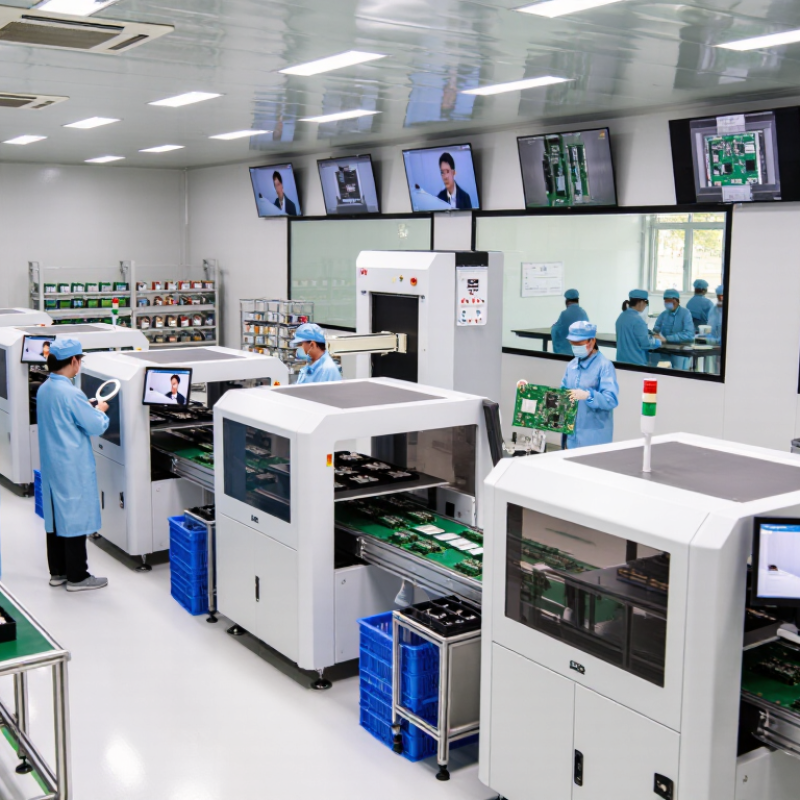
What Is the Best China SMT Assembly Service?
China SMT assembly service means placing electronic components onto printed circuit boards using automated surface-mount technology. The process usually includes solder-paste printing, component placement, reflow soldering, inspection, and functional testing. China remains a major electronics manufacturing center because it combines large supplier networks with flexible production capacity. A Fortune Business Insights report valued the global SMT equipment market at about US$4.5 billion in 2023, showing continued investment in automated assembly. However, equipment alone does not guarantee reliable boards.
The best service should provide DFM review, controlled material sourcing, SPI, AOI, and X-ray inspection when needed. Ask for traceability from solder paste to finished board. IPC-A-610 acceptance criteria can support consistent workmanship, while ISO 9001 procedures help control documentation and corrective actions. In practical work, I have found that clear Gerber files, complete BOM data, and approved alternates reduce delays. A low quotation can look attractive. It may hide weak testing or poor change control. No supplier is perfect, and even a strong factory needs careful communication.
Tips: Request a small pilot run before mass production. Check sample inspection records, moisture-control procedures, and component verification methods. The 2024 Global Electronics Association industry outlook also emphasized supply-chain resilience and quality visibility. Therefore, compare response speed, defect reporting, and engineering support, not only assembly price. A cheaper board may become expensive after rework, missed shipments, or field failures.
| Evaluation Dimension | What the Service Includes | Typical Industry Reference | Why It Matters When Selecting a Service |
|---|---|---|---|
| SMT Assembly Scope | Surface-mount component placement, solder paste printing, reflow soldering, inspection, and board handling. | Suitable for compact, high-density printed circuit board assemblies. | Confirm that the supplier can support the required package types, board size, component mix, and production volume. |
| Prototype Capability | Small-batch assembly with engineering review, component verification, process setup, and first-article inspection. | Used for design validation before pilot or mass production. | A strong prototype process helps identify footprint, solderability, manufacturability, and assembly documentation issues early. |
| Production Volume | Low-volume, medium-volume, and repeat production programs supported by automated placement equipment. | The appropriate production model depends on order quantity, product life cycle, and change frequency. | Choose capacity that matches demand without creating excessive setup costs or long scheduling delays. |
| Component Packages | Common SMT packages may include chip components, small-outline packages, quad-flat packages, ball-grid arrays, and fine-pitch devices. | Package capability depends on placement accuracy, stencil design, reflow control, and inspection equipment. | Ask for documented minimum component pitch and validated processes for the most demanding packages in the bill of materials. |
| Solder Paste Printing | Stencil printing with paste inspection, printer alignment, squeegee control, and regular process checks. | Printing quality strongly affects solder joint consistency because solder paste is deposited before component placement. | Verify that the process controls paste volume, alignment, bridging risk, insufficient deposits, and stencil cleanliness. |
| Reflow Soldering | Controlled heating and cooling profiles matched to the solder paste, board materials, and component requirements. | Lead-free assemblies commonly use tin-based solder alloys that require profile control within the paste manufacturer's recommendations. | Request thermal-profile records or process-control evidence for boards with high thermal variation or sensitive components. |
| Automated Optical Inspection | Camera-based inspection for placement, polarity, solder bridging, missing components, offset components, and visible solder defects. | AOI is normally used after placement and/or reflow, depending on the process layout. | AOI improves defect detection, but it should be combined with qualified programming and human review of false calls. |
| X-Ray Inspection | Non-destructive inspection of hidden solder joints and internal structures that cannot be fully evaluated by optical methods. | Particularly useful for bottom-terminated components, dense packages, and selected grid-array solder joints. | Include X-ray inspection when the design contains concealed connections or when the risk level justifies additional verification. |
| Electrical Testing | Continuity testing, short-circuit checks, in-circuit testing, functional testing, or customer-defined test procedures. | The available test method depends on test-point access, fixture requirements, software, and product complexity. | Define test coverage, acceptance limits, test fixtures, and responsibility for test-program development before production. |
| Quality Standards | Documented workmanship criteria, inspection plans, nonconformance control, corrective actions, and traceability procedures. | IPC-A-610 is widely used as a reference for electronic assembly acceptability; the required class should be agreed in advance. | Written acceptance criteria prevent disagreements about solder joints, component alignment, cleanliness, and cosmetic conditions. |
| Material Compliance | Control of restricted substances, material declarations, lot records, and customer-specific compliance documentation. | RoHS requirements restrict certain hazardous substances in applicable electrical and electronic products. | Confirm whether the project requires lead-free processing, RoHS documentation, REACH-related information, or other regional requirements. |
| Component Sourcing | Customer-supplied materials, supplier-assisted procurement, or a combined purchasing model with approved substitutions. | Component availability and lifecycle status can change quickly, especially for specialized or high-demand parts. | Require approval before substitutions and request traceability for manufacturer part numbers, date codes, and supply channels. |
| Turnaround Planning | Quotation, engineering review, material purchasing, programming, assembly, inspection, testing, and shipment scheduling. | Lead time varies with board complexity, component availability, quantity, testing, and documentation readiness. | Compare total elapsed time rather than assembly time alone, and confirm how shortages or engineering changes are handled. |
| Design for Manufacturability | Review of PCB layout, land patterns, component spacing, panelization, fiducials, test access, and thermal balance. | Early DFM review can reduce rework, solder defects, assembly interruptions, and avoidable tooling changes. | The best service typically identifies production risks before purchasing materials or releasing the design to the line. |
| Traceability | Records linking boards to material lots, assembly dates, inspection results, operators or equipment, and test outcomes. | Traceability depth depends on product risk, regulatory needs, and customer quality requirements. | It supports root-cause analysis, controlled recalls, warranty investigations, and repeat-production consistency. |
| Best-Service Selection Rule | Balanced evaluation of process capability, quality controls, communication, sourcing reliability, testing, documentation, and total cost. | The lowest quoted price does not necessarily represent the lowest total manufacturing cost. | Select the service that can demonstrate repeatable process control and meet the product's technical, schedule, and compliance requirements. |