What is Printed Circuit Board Assembly and How Does It Work?
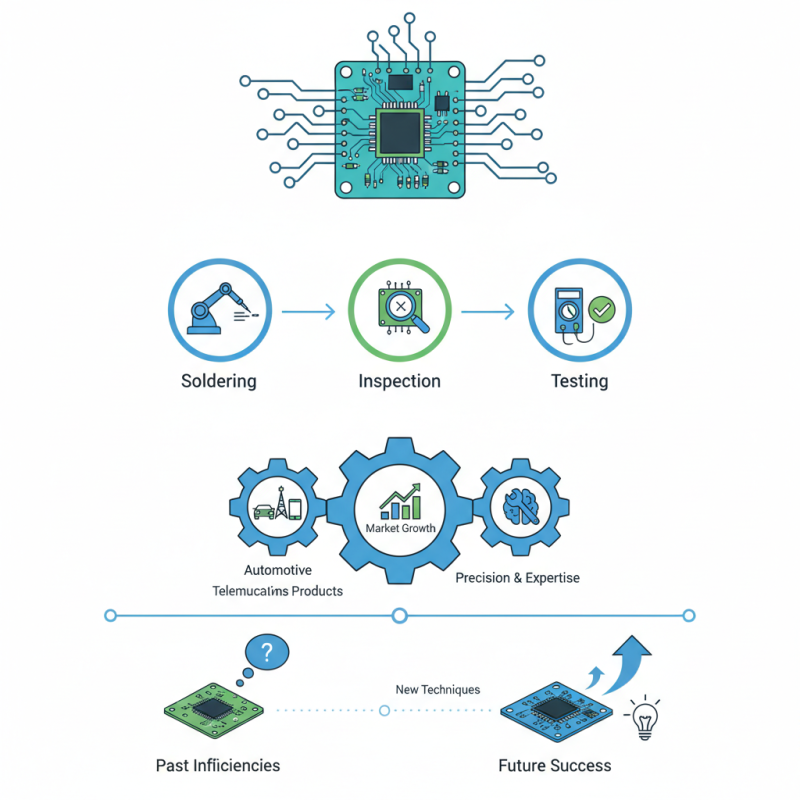
Printed circuit board assembly (PCBA) is a crucial process in electronic manufacturing. It serves as the backbone of most modern electronic devices. According to a report by Research and Markets, the global PCB market is expected to reach $90 billion by 2025, highlighting the significance of PCBA in today’s technology-driven world. This growth is largely driven by the increasing demand for electronics across sectors such as automotive, telecommunications, and consumer products.
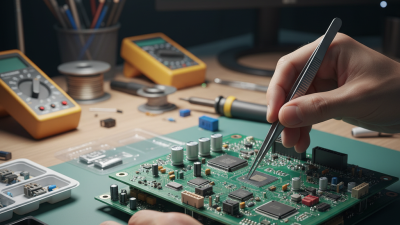
The PCBA process involves several steps, including soldering components onto the PCB, inspection, and testing. Each stage requires precision and expertise. A skilled workforce and advanced machinery are essential for ensuring quality. However, addressing defects during assembly remains a challenge. Companies often reassess their methods to minimize errors and enhance reliability.
Understanding printed circuit board assembly is vital for anyone involved in electronics manufacturing. It not only reveals the intricacies of creating functional devices but also underscores the continuous advancements in technology. As the industry evolves, embracing new techniques and reflecting on past inefficiencies will be crucial for future success.
What is Printed Circuit Board Assembly?
Printed Circuit Board Assembly (PCBA) is a vital process in electronics manufacturing. It involves mounting electronic components onto a printed circuit board (PCB). This assembly forms the foundation for most electronic devices today. Understanding PCBA requires knowledge of both the components and the methods used in assembly.
During the PCBA process, various steps take place. These include soldering, placement, and testing. Soldering connects components to the PCB securely. Yet, achieving a perfect solder joint can be challenging.
Manufacturers often face issues like cold solder joints or bridging, which can lead to malfunctions. Precision in placement is also crucial. If components are misaligned, the entire circuit may fail.
Another aspect to consider is testing following the assembly. Quality assurance is necessary to identify defects. However, not all defects are caught during testing. Sometimes, issues arise only after a product reaches the market. This potential flaw highlights the need for continuous improvement in PCBA practices.
Manufacturers must stay informed about best practices to minimize errors and ensure reliability.
Key Components of PCB Assembly Process
The Printed Circuit Board (PCB) assembly process is vital in electronics manufacturing. It involves multiple key components that ensure precise functioning of electronic devices. Understanding these components helps in optimizing the production flow.
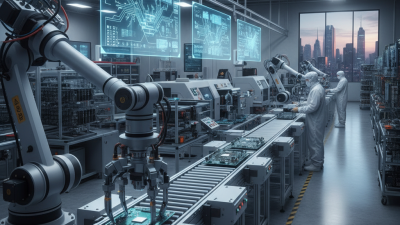
One major part of PCB assembly is component placement. Automated machines, known as pick-and-place machines, are used to position the electronic components on the board. Statistics show that the accuracy of these machines can reach up to 99.9%. However, inconsistencies can arise due to component misalignment or debris on the board. Continuous monitoring is required to maintain high standards.
Soldering is another crucial step. It connects components to the PCB. The two common methods are wave soldering and reflow soldering. According to industry reports, approximately 60% of PCB defects are linked to soldering issues. It highlights the need for careful temperature control and process adjustments. Robust quality checks are essential. This ensures durability and reliability of the final product. Assembly houses often struggle with balancing speed and quality. Each component’s placement and connection need precise attention.
Step-by-Step PCB Fabrication Techniques
Printed Circuit Board (PCB) assembly is a complex process that involves multiple steps to create functional electronic circuits. Understanding the fabrication techniques used can help in producing high-quality PCBs. Here’s a step-by-step look at these techniques.
The first step typically involves creating the PCB layout. This design stage uses specialized software to arrange the circuit components. Precision is crucial here. Even a small error can lead to defects during assembly. After the design is finalized, the next step is fabricating the bare board. This involves etching copper onto a non-conductive board to form the required pathways.
Next, components are placed onto the board. Automated machines help with this task, as they can accurately position thousands of tiny components quickly. However, consistent calibration is essential. Discrepancies can lead to misalignments that affect circuit performance.
**Tip**: Always double-check layout designs before fabrication. A small mistake could waste time and resources. Once the components are mounted, the soldering process begins. Proper soldering techniques ensure a solid connection between components and the board.
**Tip**: Use temperature-controlled soldering tools to avoid damaging sensitive components. After soldering, testing is critical. Each board must be verified for functionality. This step cannot be overlooked, as it ensures the reliability of the final product.
Quality Control Measures in PCB Assembly
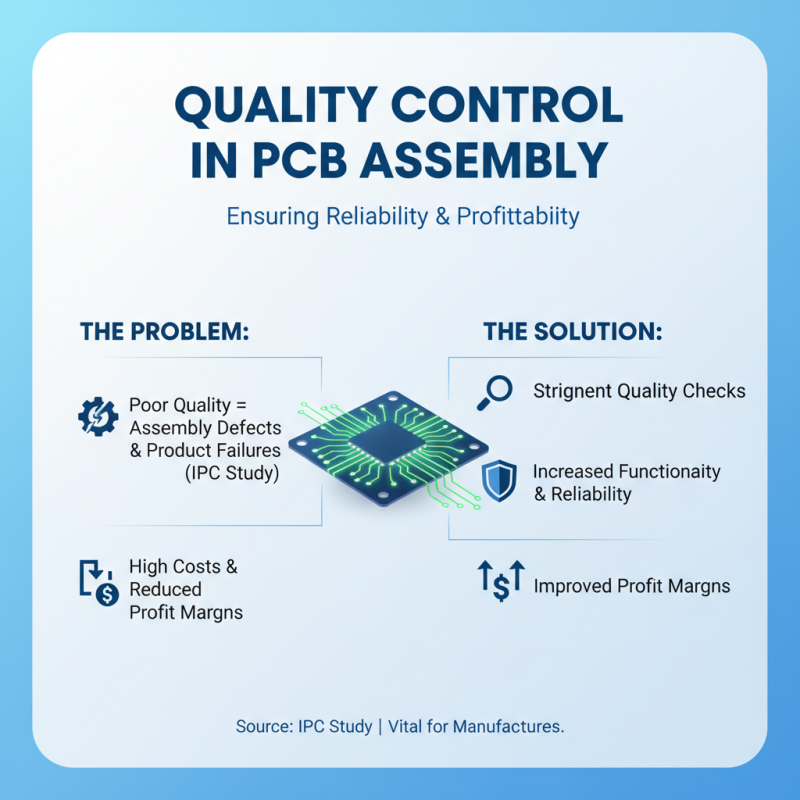
Quality control in PCB assembly is critical to ensure functionality and reliability. A study by IPC indicates that poor quality can lead to assembly defects and ultimately product failures. The costs associated with correcting these issues can negatively impact profit margins. Thus, implementing stringent quality control measures is vital for manufacturers.
One common practice is the use of Automated Optical Inspection (AOI). This technology allows for the detection of flaws during the assembly process. It thoroughly checks for misaligned components or soldering defects, ensuring adherence to specifications. Reports have shown that AOI can reduce defects by up to 50%, significantly improving manufacturing efficiency.
Another measure is regular testing, both during and after assembly. Functional testing should assess the performance under various conditions, while In-Circuit Testing (ICT) checks the circuitry for faults. However, these tests can be time-consuming and may require skilled technicians. Balancing thorough testing with production speed remains a challenge for many facilities. Additionally, real-time data analysis can facilitate immediate adjustments, yet many manufacturers still rely on outdated methods for monitoring quality. This can create gaps in the assembly process, leading to potential issues.
Applications and Importance of PCB Assembly in Electronics
Printed Circuit Board (PCB) assembly plays a crucial role in the electronics industry. This process connects electronic components like resistors, capacitors, and microchips onto a PCB, forming a functional circuit. This assembly ensures that devices work efficiently and reliably. Without it, modern electronics would be far less functional.
The applications of PCB assembly are vast. It is found in everyday gadgets such as smartphones and laptops. Medical devices also rely on PCBs for precision and reliability. Moreover, automotive electronics depend heavily on PCB assembly for safety features. In industries like aerospace, PCBs enable complex systems to operate smoothly. However, the increasing complexity of these assemblies can pose challenges. Designers must ensure that all components fit correctly and function together. Effective testing protocols become vital to avoid costly failures.
Despite the advancements in PCB technology, there are areas for improvement. Assembly processes can sometimes lead to defects, resulting in malfunctioning devices. Engineers often reflect on the importance of quality control at every stage. This reflection helps maintain the high standards necessary for reliable electronics. Furthermore, as technology evolves, continuous learning and adaptation in PCB design and assembly techniques are essential.
Applications and Importance of PCB Assembly in Electronics