2025 Top 10 Circuit Board Assembly Trends Shaping the Electronics Industry
As we look ahead to 2025, the landscape of the electronics industry is evolving at an unprecedented pace, driven largely by advancements in circuit board assembly processes. According to industry reports, the global market for printed circuit boards (PCBs) is projected to reach $75 billion by 2025, with a compound annual growth rate (CAGR) of 6.7%. This growth underscores the critical role that circuit board assembly plays in enabling the production of more sophisticated electronic devices and systems.
The transition towards smarter manufacturing techniques, including automation and the implementation of Industry 4.0 practices, is reshaping circuit board assembly methodologies. Trends such as miniaturization of components and the rise of flexible and wearable electronics further emphasize the need for innovative assembly techniques that can keep pace with shrinking form factors. In fact, it's estimated that the demand for flexible PCBs will increase significantly, contributing to an overall shift in assembly processes to accommodate these new technologies.
In this report, we will explore the top 10 circuit board assembly trends that are set to redefine the electronics industry by 2025. These trends reflect not only the technological advancements but also the market dynamics that are guiding manufacturers towards more efficient, sustainable, and cost-effective assembly solutions, ensuring they remain competitive in a rapidly evolving marketplace.
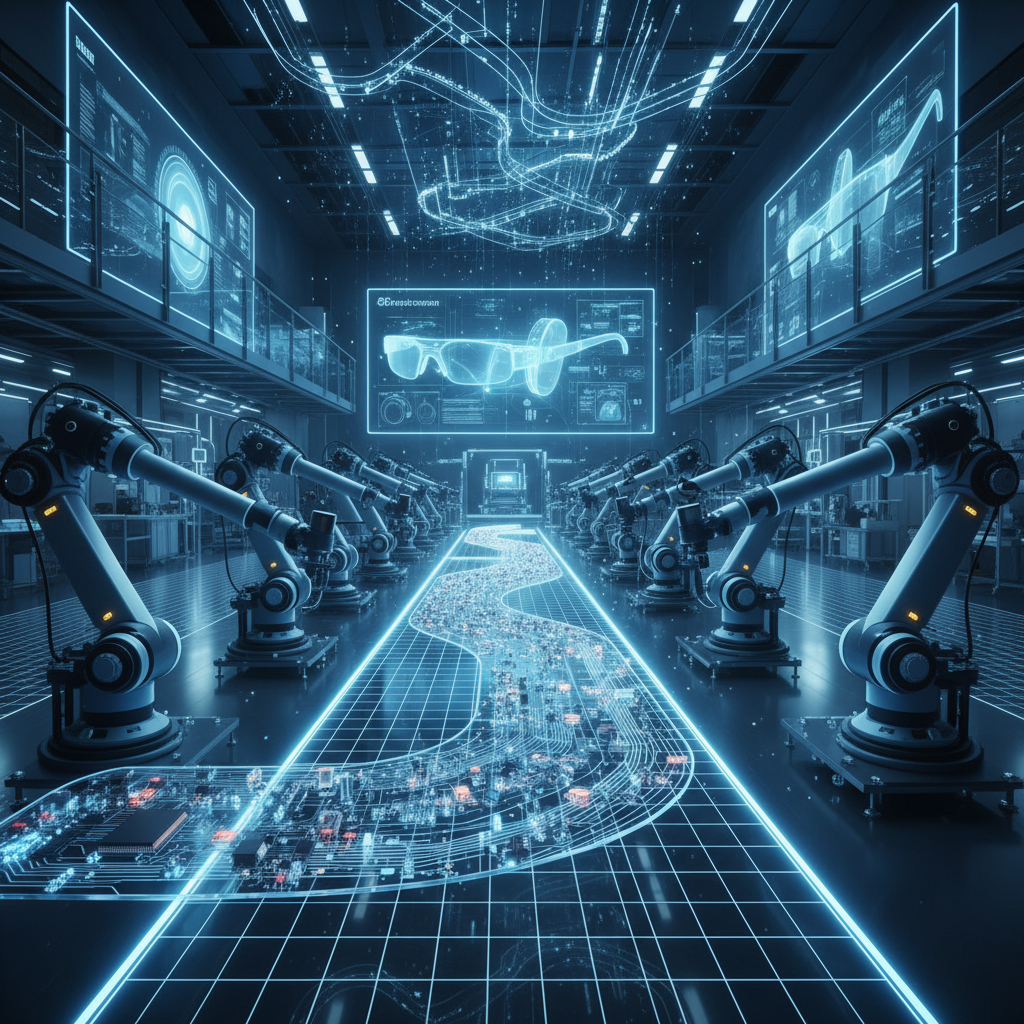
Emerging Technologies Revolutionizing PCB Assembly Processes
The landscape of PCB assembly is undergoing a transformative shift, driven by emergent technologies that enhance efficiency and sustainability. One significant development is the integration of artificial intelligence into PCB fabrication processes.
AI facilitates smarter design choices and optimizes manufacturing workflows, ultimately resulting in higher precision and reduced waste. By automating routine tasks and providing predictive analytics, AI is revolutionizing how electronic devices are produced, making the assembly process more agile and responsive to market demands.
In addition, innovations such as digital twin technology are redefining smart manufacturing approaches within the electronics sector. These digital models create real-time simulations of physical processes, allowing manufacturers to optimize operations and minimize downtime.
Furthermore, emerging recyclable materials for PCBs are beginning to address the industry’s environmental challenges, promoting sustainability without compromising performance. As these technologies continue to evolve, they promise to significantly enhance the quality, efficiency, and eco-friendliness of PCB assembly processes, marking a new era for the electronics industry.
Impact of Automation on Efficiency and Cost in PCB Manufacturing
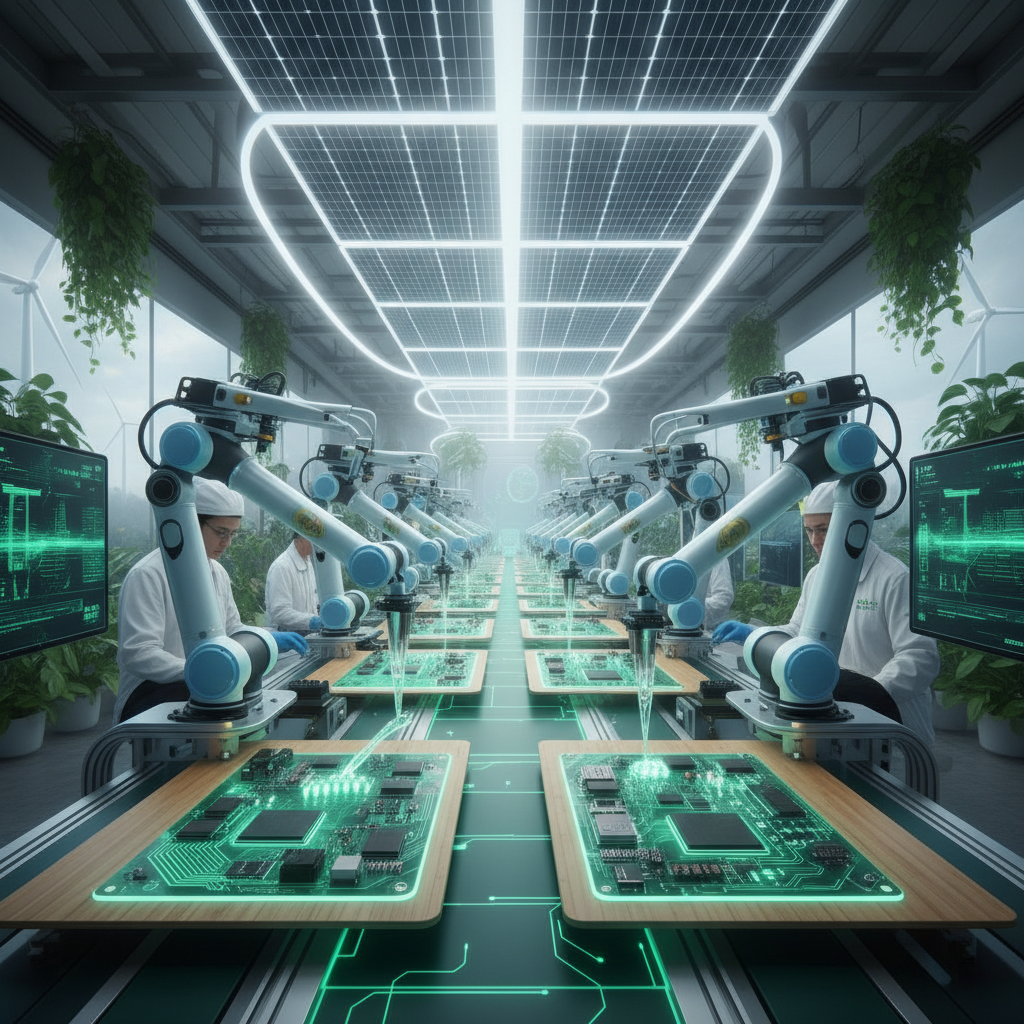
The integration of automation into PCB manufacturing processes is transforming the electronics industry by significantly enhancing efficiency and reducing operational costs. According to a recent report from the IPC (Institute for Printed Circuits), implementing automated systems can lead to a reduction in labor costs by up to 30%. This shift not only minimizes the reliance on manual labor but also accelerates production timelines, allowing companies to meet tight deadlines and adapt swiftly to market demands.
Moreover, advancements in robotics and AI-driven technologies are facilitating improved precision and quality control in circuit board assembly. A study by MarketsandMarkets estimates that the global PCB assembly market will witness a valued growth of over $15 billion by 2025, largely driven by automation trends. This is particularly critical as the complexity of electronic devices continues to rise, requiring higher consistency and defect-free production cycles. Consequently, manufacturers who invest in automation are not just improving their productivity; they are also positioning themselves competitively in a rapidly evolving industry landscape.
Sustainability Trends Driving Eco-Friendly PCB Assembly Solutions
Sustainability is becoming a crucial driving force in the realm of PCB (Printed Circuit Board) assembly, significantly influencing the electronics industry. Manufacturers are increasingly adopting eco-friendly materials and processes to reduce their carbon footprint and minimize environmental impact. This shift towards sustainable practices not only aligns with global environmental standards but also resonates with a growing consumer demand for greener products. Innovations such as lead-free solder, biodegradable substrates, and the use of renewable energy sources in manufacturing processes exemplify this trend.
Furthermore, companies are prioritizing recycling and waste reduction in their PCB assembly operations. The focus on circular economy principles encourages the recovery and reuse of materials, thereby extending the lifecycle of electronic products. Initiatives such as take-back programs and partnerships with recycling firms help ensure that obsolete circuit boards are processed responsibly. As the electronics industry continues to evolve, the integration of sustainable practices in PCB assembly will play a pivotal role in shaping a more environmentally conscious future.
Advancements in 5G Technology Influencing Circuit Board Designs
The rapid advancements in 5G technology are significantly influencing circuit board designs, reshaping the landscape of the electronics industry. According to a report from the International Telecommunication Union (ITU), global mobile network connections are expected to reach 10 billion by 2025, with 5G technology spearheading this growth. This demand necessitates circuit boards that can support higher frequencies and greater data transfer speeds, leading to the development of advanced materials such as low-loss laminates and high-frequency substrates. These materials are essential for reducing signal attenuation and maximizing performance in next-generation devices.
Additionally, the shift to 5G has propelled manufacturers to adopt innovative design practices in circuit board assembly. A study by MarketsandMarkets predicts that the global market for flexible printed circuit boards will reach approximately $21 billion by 2025, driven by the increasing integration of 5G technology in consumer electronics and automotive applications. Engineers are now focusing on multi-layered designs that can accommodate increased complexity and functionality, aligning with the trend towards more compact and lightweight devices. As the demand for faster and more reliable connectivity continues to rise, the evolution of circuit board assembly will play a crucial role in the successful deployment of 5G networks worldwide.
The Role of AI and Machine Learning in Enhancing Quality Control
The integration of Artificial Intelligence (AI) and Machine Learning (ML) in circuit board assembly is revolutionizing quality control in the electronics industry. According to a report by Market Research Future, the global AI in manufacturing market is expected to reach $16.7 billion by 2026, highlighting the significant investment in technology aimed at improving production accuracy and efficiency. AI algorithms can analyze vast amounts of data in real time, allowing manufacturers to identify defects and anomalies during the assembly process, thereby reducing wastage and enhancing product quality.
Incorporating AI-driven quality control systems can significantly enhance identification of subtle product inconsistencies that traditional methods might miss. For example, a study conducted by McKinsey found that implementing machine learning in production processes can lead to up to a 30% reduction in manufacturing defects. Companies that adopt these technologies not only improve their output but also boost operational efficiency, leading to cost savings and shorter lead times.
**Tips for Effective Implementation:**
1. Start small by piloting AI solutions on specific assembly lines before scaling up across the operation.
2. Invest in employee training to ensure staff are adept at working alongside AI tools and interpreting the data generated for better decision-making.
3. Continuously monitor system performance and iterate on the technology based on real-world results to optimize the assembly process over time.